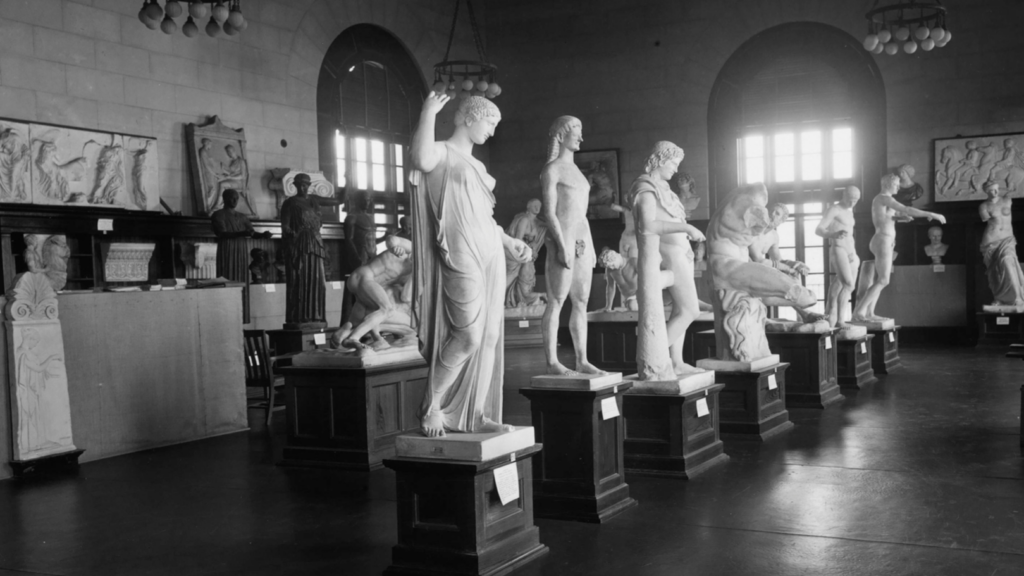
Image of the UT Battle Cast Collection. 7 Greek statues stand in a row within UT's Tower. The Battle Casts were collected to help teach UT Classics students.

Object Lessons

  • Agenda
  • Online Streaming
  • Contact Us
  • Sponsors

Object Lessons: Knowledge Organization and Antiquity in Institutional Teaching Collections across the Long Nineteenth Century (1750-1940)

April 8th-April 10th, 2026

International Conference

About the Conference

The Swedish Institute for Classical Studies in Rome and the American Academy in Rome will host a three-day conference on study collections of physical antiquities and their role in our understanding of the past.

The conference is organized by scholars from the University of Texas, Austin, and the Swedish Institute and will take place in Rome among a concentration of historic collections of archaeological material housed in academies and research institutes.

Papers cover a wide range of collection types and institutions across the United States, Europe, and Australia. Participants will explore collections in the context of the broader intellectual history of the period between the eighteenth and twentieth centuries and the epistemological and classificatory transformations it witnessed.
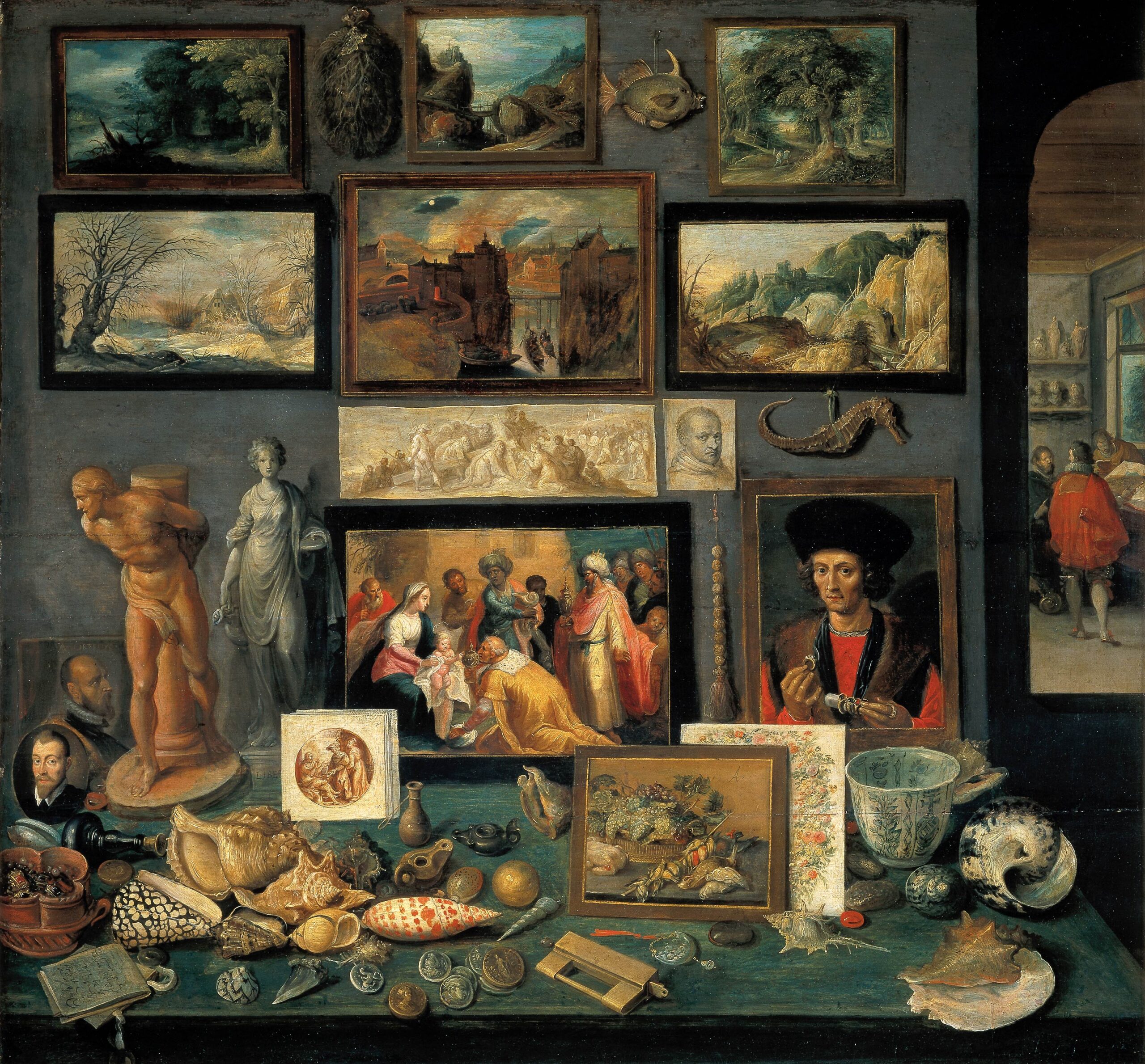
Detail of Frans Francken the Younger. Kunst- und Raritätenkammer (c. 1636). Kunsthistorisches Museum, Vienna.

What are Teaching Collections?

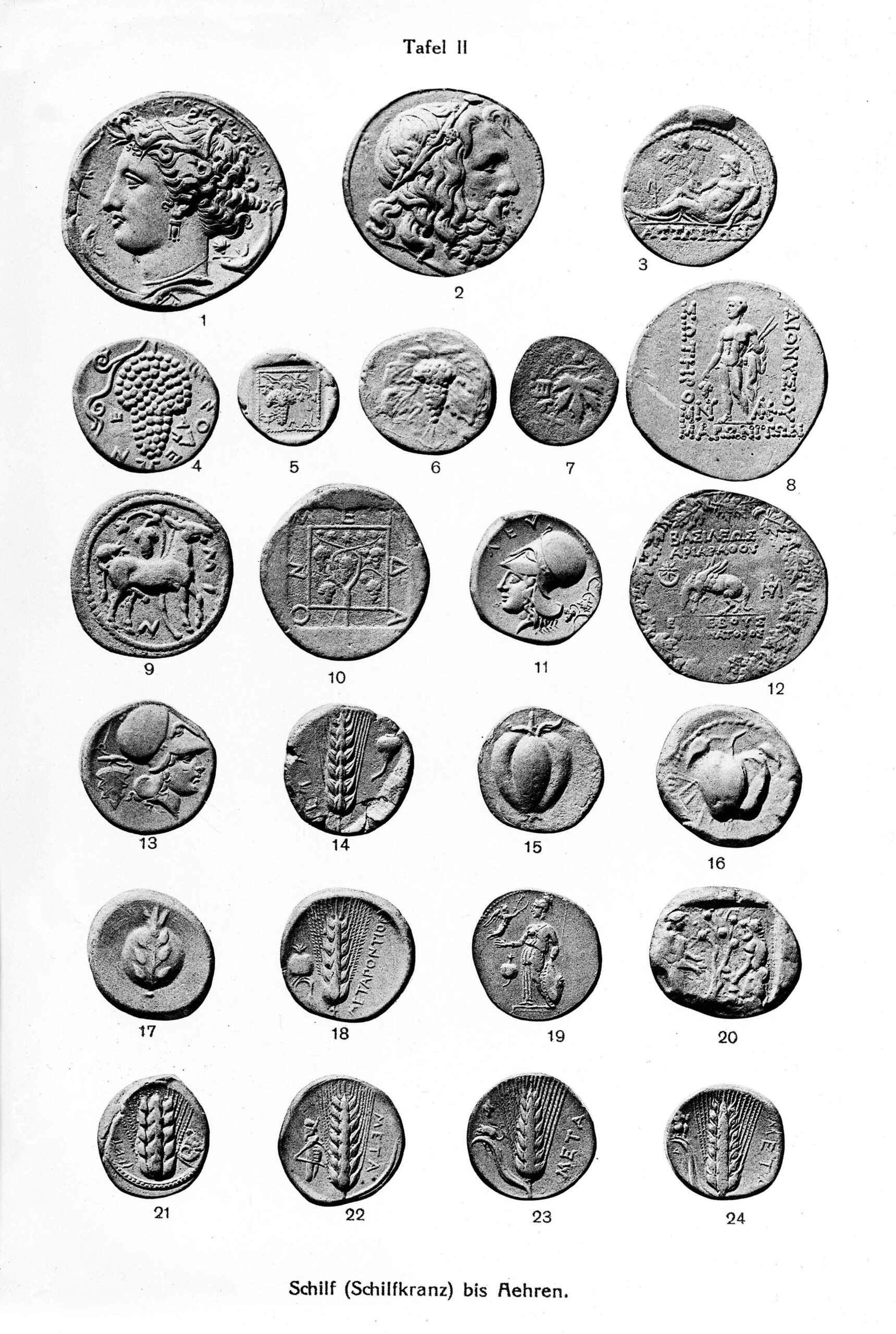
 As European antiquarianism and early excavations accelerated over the eighteenth century, scholars began to recognize the need to organize the flood of new information being produced for study and training. Concurrently, the discipline of ancient art history was emerging under the influence of J. J. Winckelmann. Curiosity cabinets gave way to physical teaching collections consisting of casts of ancient gems or sculpture, coin cabinets, and a wide range of archaeological objects, usually comprising representative type-items of modest quality. Advances in material replication, such as photographs, paper squeezes, and rubbings, introduced new ways to disseminate knowledge of better-known artworks and artifacts. While supporting instruction in art history and archaeology, these collections also served as models for students in fine arts and architecture. As ideas about how to understand the premodern world changed, the organization, display, and use of these collections changed too, responding to art-historical paradigm shifts like Adolf Furtwängler’s reclassification of Winckelmann’s system for sculpture and gems.   


Object Lessons

Twenty Twenty-Five

Designed with WordPress